
Lactic Acid Bacteria Explained Simply
- NPSelection

- Jan 25
- 2 min read

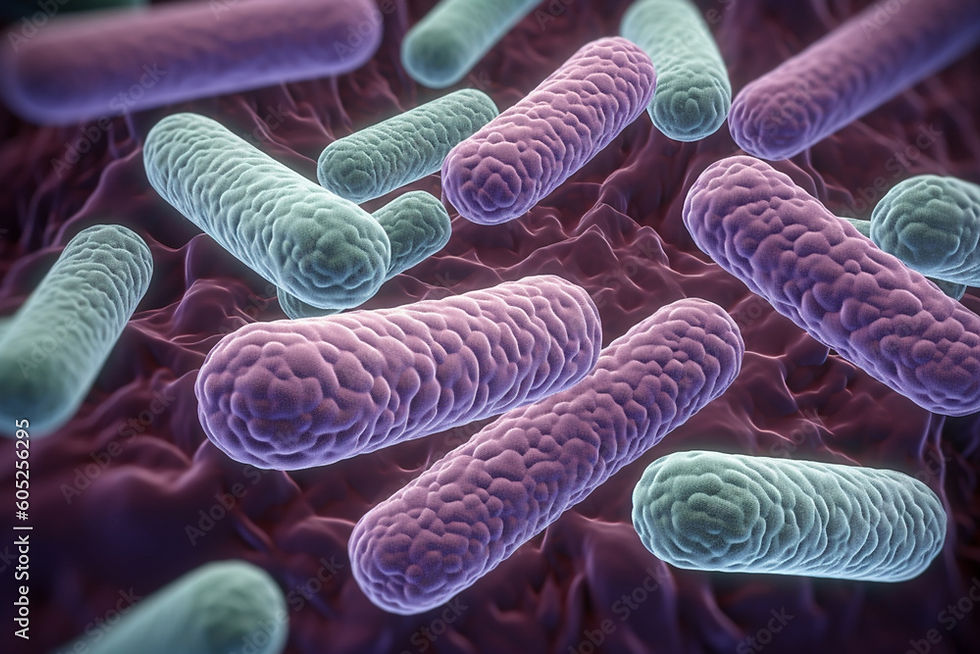
Lactic acid bacteria are among the most important microbes in food fermentation and gut health. They are called “lactic” not because they come from milk, but because they produce lactic acid as a result of fermentation.
These bacteria feed mainly on sugars and carbohydrates. When they ferment lactose or plant sugars, they release lactic acid, which lowers pH and creates an environment that discourages harmful microbes. This is why lactic acid bacteria are so effective at preserving foods like yogurt, kefir, sauerkraut, and sourdough.
In fermented foods like yogurt, kefir, and others, these bacteria are responsible for the physical and nutritional changes that occur when milk is fermented.
In the gut, lactic acid bacteria play a supportive role rather than a dominant one. They tend to act in the upper digestive tract and early colon, where they help regulate acidity and prepare nutrients for other microbes downstream.
Well-known species such as Lactobacillus bulgaricus, Streptococcus thermophilus, Lactobacillus acidophilus, Lactobacillus rhamnosus and Limosilactobacillus reuteri are commonly studied because they interact gently with the gut lining and support microbial balance. Bifidobacteria also play a significant role in gut health.
While lactic acid bacteria play an important role on their own, their greatest impact comes from how they support other microbes involved in maintaining the gut barrier and overall intestinal balance.
An important point often misunderstood is that lactic acid bacteria are not meant to permanently colonise the gut in large numbers. Their value lies in what they do while passing through: fermenting food, producing useful metabolites, and shaping conditions that benefit other beneficial bacteria.
Traditional diets supplied these bacteria regularly through fermented foods. Modern diets often do not, which is why interest in fermentation has returned — not as a trend, but as a rediscovery of a biological process humans relied on for thousands of years.


Comments