
How Fermentation Changes Milk. Explained simply


Milk looks simple, but it is one of the most complex foods we consume. When milk is fermented, it doesn’t just become thicker or more acidic — it is fundamentally transformed.
Fresh milk contains lactose, a natural sugar that many adults struggle to digest. During fermentation, lactic acid bacteria ferment lactose into lactic acid. As this happens, lactose levels fall, acidity rises, and milk becomes easier to digest for many people.
At the same time, milk proteins begin to change. Casein proteins unfold and form a gentle gel structure, giving yogurt its texture. This process also makes proteins easier for digestive enzymes to break down later in the gut.
The transformation of milk during fermentation is driven by specific microbes. To understand this process more clearly, it helps to know how lactic acid bacteria work and why they matter in fermentation.
Fermentation also affects minerals. Calcium, magnesium, and phosphorus become more bioavailable as acidity increases. This is one reason fermented dairy has been valued traditionally — not just for preservation, but for nourishment.
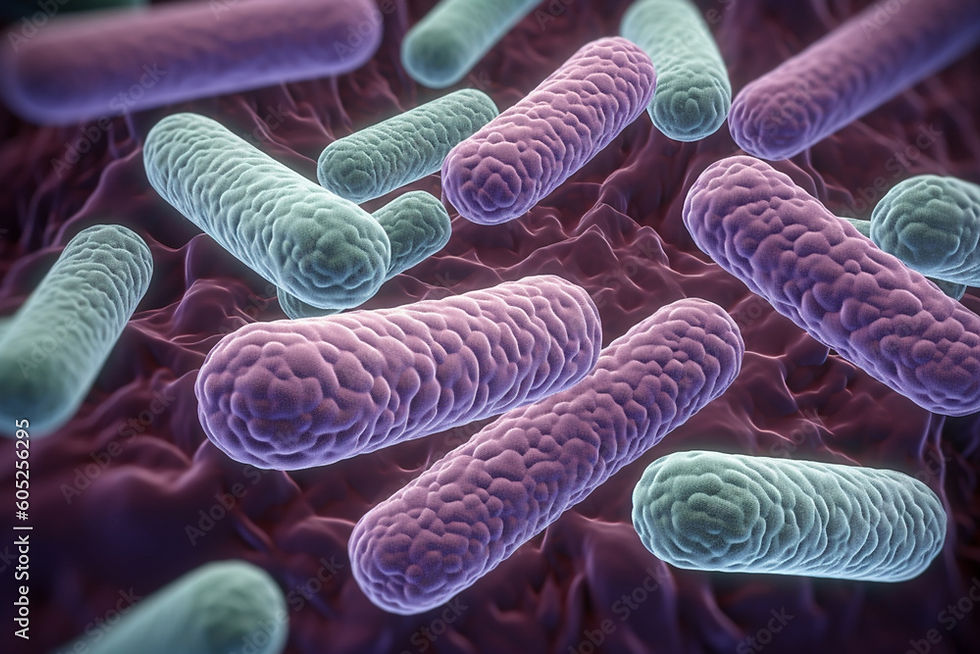
Another key change is microbial activity. Live bacteria remain in fermented milk and continue to interact with the gut after consumption. These bacteria don’t “take over” the microbiome, but they influence it by producing acids and metabolites that shape the environment.
These fermentation by-products do not stop working after digestion — they continue to influence the gut barrier and the beneficial bacteria that support it.
In simple terms, fermentation turns milk from a short-lived, sometimes difficult-to-digest food into a stable, biologically active one. This is why fermented milk products have appeared independently in so many traditional cultures worldwide.


Comments